

Why Do Buyers Fail to Complete?
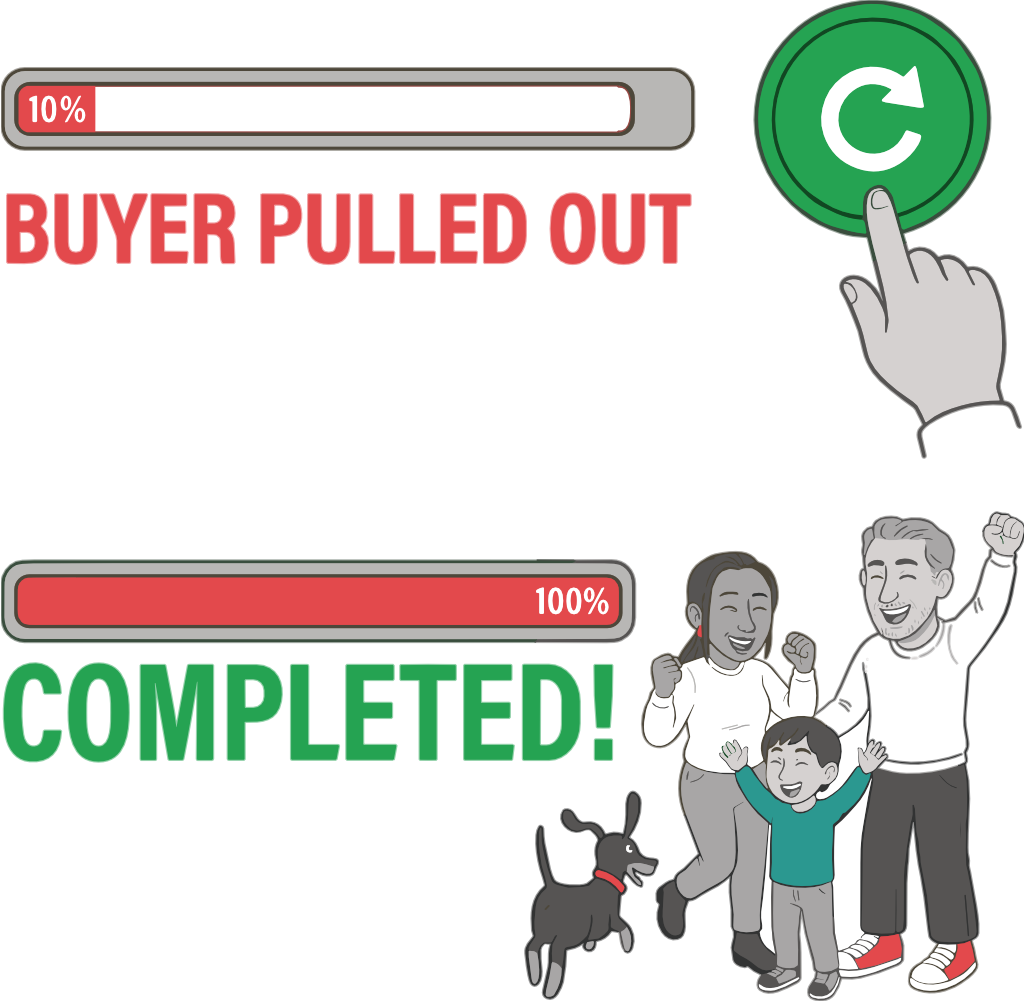
Every property transaction journey begins with a simple goal: transferring ownership from one party to another. However, in the labyrinthine process of UK property transactions, one particular stage has proven notoriously challenging—the post-exchange completion. On rare occasions, a buyer may walk away from the deal even after exchanging contracts. Considering the substantial 10% deposit typically at stake, these situations are quite significant. So, what might compel a buyer to take such a drastic step?
Property Chain Collapse
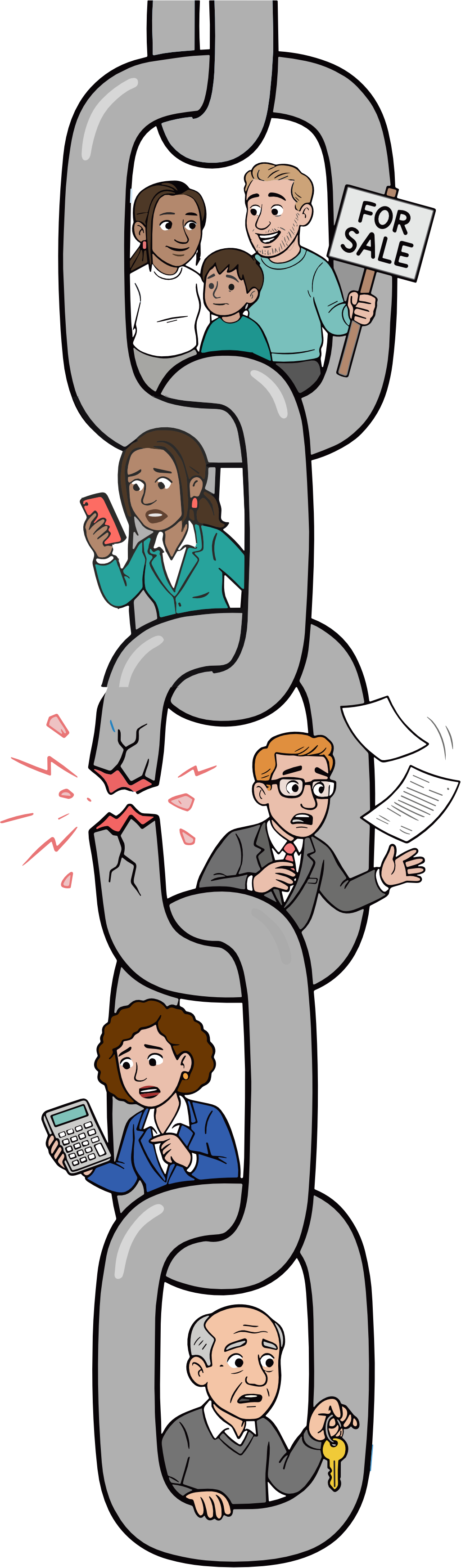
Perhaps the most common reason for post-exchange failure is the collapse of the buyer's own property sale. Property chains are delicate; if a link breaks, the entire chain can unravel. If the buyer was depending on the funds from their own sale to finance the purchase, they may be forced to pull out of the deal.
Withdrawal of Mortgage or Credit
Mortgage approval is a pivotal piece of the property buying puzzle. Should a bank or financial institution withdraw a previously approved mortgage or credit line, it leaves the buyer in a precarious situation, unable to complete the transaction.
Personal Crisis
Life is unpredictable. A sudden personal crisis, such as death, severe illness, or accident, can derail a buyer's plans. Such situations can result in the unfortunate withdrawal from a property transaction post-exchange.

Legal Troubles
Criminal charges, fraud, or imprisonment can unexpectedly thwart a buyer's property purchase plans. Legal troubles often bring financial uncertainty, making it unfeasible for the buyer to go ahead with the purchase.

Employment Instability
A buyer's job situation can significantly impact their ability to complete a property purchase. Job loss, withdrawal of a job offer, or other unexpected changes in employment can seriously hamper a buyer's financial circumstances.
Market Volatility
The property market, much like any other market, is subject to fluctuations. A sudden fall in property prices, a rise in borrowing costs, or significant currency fluctuations (particularly relevant for foreign buyers) can lead to second thoughts. In these cases, buyers might choose to forfeit their deposit in anticipation of a larger financial loss.

Collapse of legal representation
Conveyancers and solicitors can cease trading, sometimes without any notice. Inis can nave a disastrous entect on a property sale in progress.
Case Studies
Developer Pulls Out After Market Drop
KentScenario
Developer purchased a property for substantial redevelopment. During the conveyancing period, the property market dropped significantly and the developer decided to pull out, forfeiting their deposit.
Outcome
The seller was left without a buyer after months of delay. They had already committed to their onward purchase and faced potential loss of that chain too.
Buyer Fails to Complete Due to Market Downturn
Scenario
A buyer agreed a purchase price at the top of the market. Before exchange, the market corrected and the buyer's adviser recommended pulling out rather than overpaying.
Outcome
The seller's sale collapsed. They did not move — life put on hold indefinitely while they restarted the selling process from scratch.
Buyer Delays Completion Due to Cyber Attack
Scenario
The buyer's conveyancing firm suffered a ransomware attack that disrupted their systems for several weeks, causing an unavoidable delay in completion.
Outcome
The seller, who had already given notice to vacate their rental property, faced weeks of additional rental costs and stress managing the delayed chain.
Buyer Fails to Complete Due to Damp Report Requirement
Scenario
Following a survey, the buyer's mortgage lender required a specialist damp report before releasing funds. The report identified remedial works, and the buyer used this to renegotiate or pull out entirely.
Outcome
The seller faced re-marketing costs, surveys, legal fees wasted, and months of delay — all while dealing with the uncertainty of an incomplete sale.
Buyer Fails to Complete Resulting in Extreme Personal Pressure
KentScenario
A buyer had a genuine change in personal circumstances that meant they could no longer proceed. Despite wanting to complete, their financial situation had materially changed after exchange.
Outcome
The seller, relying on the sale to fund care arrangements for a family member, was left in an extremely difficult position for three months.
Penny & Ivor – Divorce in Dorset
Devon/DorsetScenario
A couple going through an acrimonious divorce had a sale agreed on their jointly owned property. One party withdrew co-operation part-way through the process, rendering the sale impossible to complete.
Outcome
The other party lost the sale, the buyer walked away, and the property had to be court-ordered for sale. Legal costs spiralled over 14 years.
Conveyancer Lawyer
LincolnshireScenario
A property sale involved a complex title issue that only emerged during the conveyancing process. The buyer's solicitor advised against proceeding without resolution, causing significant delays.
Outcome
The chain collapsed. Both seller and buyer instructed new solicitors. The sale was eventually completed 8 months later at a lower price.
Sale of Estate
Notting HillScenario
An estate property was sold as part of probate administration. A late buyer was found, but they required an unusually short completion window that created cash-flow pressure on the estate's executors.
Outcome
Executors had to arrange emergency bridging finance at short notice. The buyer ultimately completed but the estate faced significant additional costs.
School Purchase
Caversham ReadingScenario
A school building was being purchased for conversion to residential use. Planning complications emerged post-exchange relating to change-of-use consent, and the buyer sought to rescind the contract.
Outcome
The seller resisted and enforced completion, but the buyer challenged in court. The seller incurred substantial legal costs defending their position.
Downsizing Pensioners
ChelseaScenario
An elderly couple sold their family home to downsize. The buyer, a property developer, encountered planning issues with their own development pipeline and withdrew from the purchase to preserve capital.
Outcome
The couple had already exchanged on their new smaller property and faced being unable to complete their onward purchase without the sale proceeds.
First-Time Buyer Withdrawal
Sandbanks DorsetScenario
A first-time buyer, purchasing an investment property near the coast, had a change of employment situation that meant their mortgage offer was withdrawn. They could not proceed.
Outcome
The seller, who had arranged to let their property income fund a retirement plan, was left with delayed completion, re-marketing costs, and disrupted plans.
Investment Property
Old Chelsea LondonScenario
An overseas investor buying a London property found themselves caught in new overseas buyer surcharge rules that changed between agreement and completion, making the purchase economically unviable.
Outcome
The investor pulled out. The seller had turned down other buyers and now had to re-market in a changed market with higher buyer uncertainty.
Relocation Sale
South KensingtonScenario
A family relocating internationally sold their property to fund the move. The buyer, also purchasing to relocate, had their own sale fall through — making their purchase of this property impossible.
Outcome
The seller was left mid-relocation without funds, facing deposit forfeiture threats on their onward commitments, and months of legal uncertainty.
Buyer Failed to Complete
KentScenario
A buy-to-let investor agreed to purchase a tenanted property. Prior to completion, the tenant vacated unexpectedly and the investor decided the property no longer met their investment criteria.
Outcome
The seller was left holding a vacant property with ongoing maintenance costs and a bridge loan arranged for an anticipated completion date that never arrived.
The reasons above highlight the perils of the post-exchange stage in property transactions. While these scenarios are not commonplace, they do occur (our research indicates hundreds of times a year nationwide), highlighting the necessity for sellers to safeguard their interests in the property market.
ClozeSure is designed to address these issues and provide security to sellers and is instrumental in restoring balance and confidence, ultimately enabling a smoother, more predictable property transaction process.